
How Oral Surgeons Manage Pain and Anxiety During Dental Surgery in Apple Valley, Savage, MN, Lakeville, MN, Burnsville, Eagan, Shakopee, and Surrounding Areas
If hearing “dental surgery” makes your stomach drop, then you’re not alone. No one likes to have dental surgery. But when it’s needed, you likely have some worries. Is it going to hurt? Will I be awake the entire time?
Many patients lose sleep over these questions, when in reality, these questions can make the time leading up to dental surgery a lot more stressful than it needs to be. The good news is that qualified oral and maxillofacial surgeons, like our team here at Dakota Valley Oral & Maxillofacial Surgery, have the training and tools needed to help you manage discomfort and anxiety. Let’s take a closer look together.
Types of Anesthesia Used in Dental Surgery
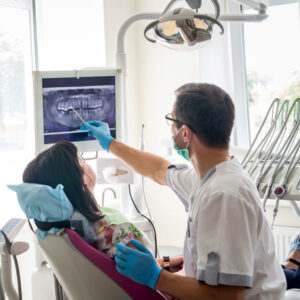 You may be surprised to learn that there’s more than one approach to anesthesia and sedation, and they’re all different. Before dental surgery, your oral surgeon will discuss your options with you to see which approach, or combination, makes more sense for your procedure and health. Here are the types of anesthesia used:
- Local Anesthesia – This anesthesia approach is used to numb a specific area of your mouth. That means you stay awake, but the treatment area is made numb so your surgeon can work without you feeling the sharp sensations associated with surgery.
- Nitrous Oxide – Commonly known as laughing gas, nitrous oxide is inhaled through a mask. It can help you feel calmer during dental surgery, and it’s often used when you need something to ease your anxiety without requiring deeper sedation.
- Intravenous Sedation – IV sedation delivers medication to your bloodstream to create a deep state of relaxation. If you’re feeling particularly anxious about dental surgery, this can make the experience feel much easier to manage while allowing the surgical team to closely monitor you during treatment.
- General Anesthesia – For certain dental surgery procedures, general anesthesia may be needed. Under general anesthesia, you are fully asleep during dental surgery, making it an option for more invasive procedures.
Why the Surgical Team Matters
Beyond anesthesia, a huge part of your comfort is knowing that the surgical team in charge of your procedure is qualified, trained, and prepared to not only perform your dental surgery but also safely administer anesthesia.
It may relax your nerves to know that oral and maxillofacial surgeons receive extensive training in surgical care, anesthesia, airway management, and responding to potential complications. This specialized background allows them to consider both the surgical procedure and your comfort and safety as part of the same treatment plan.
During dental surgery, a trained team can monitor you, respond to changes, and help keep the procedure moving smoothly.
Choosing a Team with Specialized Training
When you’re trusting someone with your health, experience and qualifications should matter. At Dakota Valley Oral & Maxillofacial Surgery, our oral and maxillofacial surgeons have completed up to six additional years of hospital-based surgical and anesthesia training beyond dental school. That specialized education matters because dental surgery involves much more than treating the teeth. Oral and maxillofacial surgeons are trained to work with the mouth, jaws, facial structures, anesthesia, and surgical complications, giving them a broader understanding of the procedures they perform.
Our surgical staff also includes experienced, certified oral and maxillofacial surgical assistants who assist with IV sedation and surgery. They are CPR-certified and trained in the responsibilities involved in supporting surgical care. Whether you’re coming in for wisdom tooth extraction, dental implants, or a full jaw reconstruction, our dental surgery for Apple Valley, Savage, Lakeville, MN, Burnsville, Eagan, Shakopee, and the surrounding areas is guided by a trained team that works together to keep you safe and comfortable before, during, and after your procedure.