
Preparing Yourself for Facial Surgery in Lakeville, MN, Burnsville, Apple Valley, Shakopee, Owatonna, Eagan, and Surrounding Areas: What to Expect Before Your Procedure
When you’re first told that you need facial surgery, it can stir up feelings. Maybe you’re feeling a sense of relief because you finally have a solution, or maybe you’re nervous about undergoing a procedure. Either way, having feelings about an upcoming surgery is completely normal.
Whether your procedure is planned weeks in advance or has become necessary because of an injury or ongoing condition, taking a step back and learning about what to expect before your procedure can help you manage your emotions and replace uncertainty with a sense of confidence.
The good news is that preparing for facial surgery isn’t about memorizing complicated medical information. It’s about knowing what to expect, asking the right questions, and giving yourself the best possible foundation for a smooth procedure.
Consult With Your Oral and Maxillofacial Surgeon
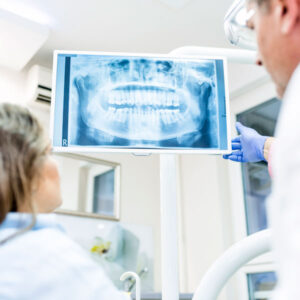 Every successful facial surgery begins way before the day of the procedure. During your consultation, you can discuss your goals, fears, and treatment plan with your oral and maxillofacial surgeon. Lead with honesty during these conversations. If you’re worried about recovery, anesthesia, or how long you’ll need to be away from work, have those conversations.
It doesn’t matter if you need corrective jaw surgery, dental implants, or facial trauma repair; if you’re honest with your surgeon and ask for clarification, you’ll feel a lot more comfortable moving forward.
Advanced Imaging Helps Create a Personalized Plan
Modern facial surgery relies on more than experience alone. Advanced imaging allows your surgeon to evaluate your anatomy in remarkable detail before your procedure even begins.
Depending on your treatment, specialized digital imaging and three-dimensional scans may be used to examine your jaw, teeth, facial bones, and surrounding structures. This detailed planning helps your surgeon identify the best surgical approach for your situation.
Be Open About Your Medical History
One of the most important ways you can prepare for facial surgery is by sharing your complete medical history with your surgical team. Even health conditions that don’t seem related to your mouth or jaw can influence your care.
Medications, previous surgeries, allergies, and chronic medical conditions all help your surgeon determine the safest and most effective treatment approach. Being transparent is an incredibly important part of protecting your health before, during, and after facial surgery.
Follow Your Pre-Surgery Instructions Carefully
Once your procedure has been scheduled, your surgical team will provide instructions that are specific to your treatment. While every single facial surgery is different, common instructions may include:
- Not Eating Before Surgery – If your facial surgery involves IV sedation or anesthesia, you’ll likely be instructed not to eat or drink for several hours before your appointment. Following these directions may help reduce anesthesia-related risks.
- Review Medications – Your surgeon may discuss whether certain medications or supplements should be adjusted before surgery. Never stop medications on your own and always follow the guidance provided by your healthcare team.
- Arranging Transportation – If sedation or anesthesia is being used, it’s a good idea to plan and have a trusted person drive you home after your procedure. Giving yourself time to rest afterward allows your body to begin healing without unnecessary stress, and planning your ride in advance takes a big burden off your shoulders.
A Team You Can Trust
Preparing for facial surgery isn’t only about instructions; it’s also about choosing a team that has the experience and training to guide you through every step of the process.
At Dakota Valley Oral & Maxillofacial Surgery, we’re here to provide facial surgery to patients in Lakeville, MN, Burnsville, Apple Valley, Shakopee, Owatonna, Eagan, and the surrounding areas. Our oral and maxillofacial surgeons are trained not only to perform advanced surgical procedures, but also to guide you through every step of the process with compassion and clear communication.
At our office, we’re fully equipped to provide intravenous (IV) sedation and outpatient general anesthesia. This experience, combined with advanced surgical training, allows us to deliver care with a strong focus on safety and patient comfort, which matters because you deserve to feel confident that your procedure is being performed by a highly qualified team.